How to make a Gunna type beat that actually lands the flow
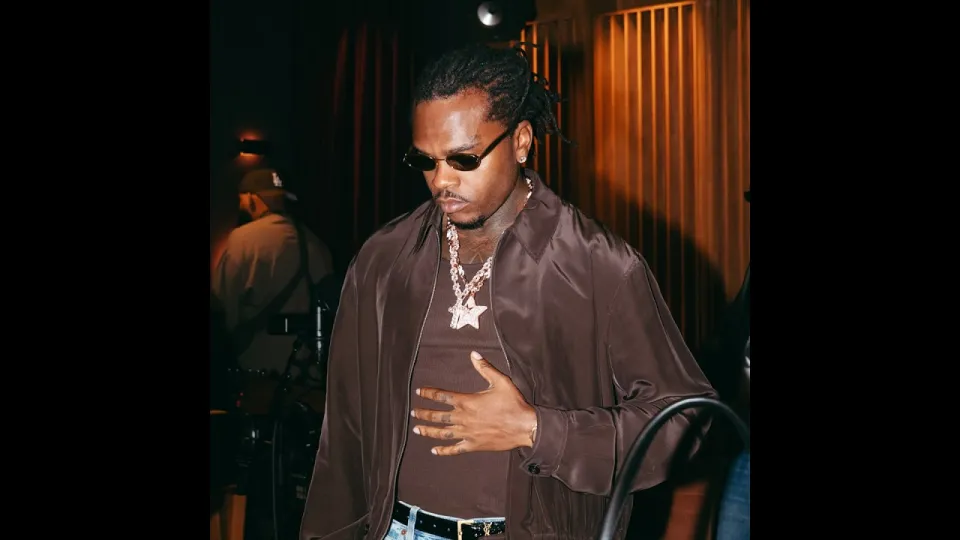
Video: [FREE] Gunna Type Beat - "Professional"
You can order the same kind of articles for your own video to boost it on YouTube and Google. Just message the Telegram bot @sat_sit_bot. It writes articles around your video, embeds the video and publishes them on popular niche websites (no ads). Your first 50 articles are free.
· based on the channel MIG
A Gunna type beat is a trap instrumental built for Gunna's melodic, laid-back pocket: usually 115–130 BPM, minor key, sliding 808s, crisp hi-hats with rolls and a sparse, atmospheric melody. MIG's "Professional" is a working example at 122 BPM in F# minor, and the untagged file is available through the BeatStars purchase page, where adding three beats to the cart activates a discount.
What defines the Gunna type beat sound
The first thing to understand is that a Gunna type beat is not just any trap beat slowed down; it is a beat with space in it. Gunna's delivery sits in a narrow melodic range and often lands slightly behind the beat, so the instrumental has to leave room in the midrange for a voice that does not shout.
Four elements carry the style:
- Tempo between 115 and 130 BPM. "Professional" sits at 122, fast enough for double-time hi-hats but slow enough that the vocal can stretch out.
- A minor key. F# minor here. Minor tonality gives the melodic loop its darker color without making the beat feel like a horror score.
- Sliding 808s. The bass glides between notes rather than hitting static pitches. This is the single most recognizable trait of the Atlanta sound Gunna records over.
- Sparse, loop-based melody. Guitar, bell or synth loops with heavy reverb, filtered so the top end does not fight the vocal.
How to build the beat step by step
Start with the melody, then the drums, then the bass, and leave the arrangement for last.
- Set the session to 122 BPM and F# minor. Matching the reference tempo keeps the hi-hat programming in the same pocket as the records you are imitating.
- Write an 8-bar melodic loop. A clean guitar or a detuned bell patch works; keep it to three or four notes per bar and let reverb fill the gaps.
- Program the drums. A kick on the downbeats, a snare or clap on the third beat, and hi-hats with 16th-note rolls at the end of every second bar. The rolls are what listeners notice first.
- Add the 808. Follow the root notes of the melody, then slide into the fifth or octave on the tail of a phrase. Keep the glide short so the low end stays defined.
- Arrange. Drop the drums for four bars before the hook, bring the 808 back alone for two bars, then let everything hit together.
- Mix for a vocal. Cut the melody around 1–4 kHz, keep the 808 mono below roughly 100 Hz, and leave the center channel relatively open.
Free download rules and licensing
The free version of "Professional" is licensed for non-profit use only, and it cannot be distributed through streaming services such as Spotify or Apple Music. That means you can write to it, record demos, post non-monetized videos and practice, but you cannot release a commercial single on it or collect royalties from a platform upload.
For anything revenue-generating — a paid release, a monetized channel, a sync placement — you need the untagged, leased or exclusive version from the purchase page. The untagged file also removes the producer tag, which matters if the track is going to a mixing engineer.
Common questions producers ask about this style
Is the hi-hat pattern too busy? Rolls are expected, but they should land at phrase endings rather than in every bar. If the rolls run constantly, the vocal has nowhere to sit.
Does the melody sound too dark? Darkness is a feature of this sound, not a bug. The fix is not to brighten the loop but to open the top end of the drums so the beat still moves.
Will the 808 slides muddy the mix? Only if the glide overlaps the next kick. Shorten the slide and high-pass the melody so the two do not compete in the same frequency range.
Is this beat usable for a different artist? Yes. The same instrumental works for Young Thug-adjacent records, melodic drill crossovers and any rapper who rides behind the beat rather than on top of it.
Where the beat fits in a catalog
A 122 BPM F# minor trap beat is a flexible item. It suits a melodic single, an EP interlude, a freestyle series or a sync brief that needs a moody, modern Atlanta backdrop. Producers building a beat store should tag it consistently — Gunna type beat, guitar trap beat, melodic trap — so it surfaces for the searches artists actually type.
MIG publishes this kind of reference regularly on the channel, and "Professional" is a clean study piece: one loop, one drum pattern, one 808 line, arranged with restraint. Copying that economy is more useful than copying the exact notes.
Conclusion
"Professional" shows that a Gunna type beat lives or dies on restraint: 122 BPM, F# minor, a dark loop, crisp drums and 808s that slide instead of stomp. Build the melody first, keep the midrange clear for the vocal, and use hi-hat rolls as punctuation rather than filler. If you want the clean, untagged file, buy the beat on BeatStars and add three beats to the cart to trigger the discount. The video breakdown comes from MIG, whose catalog is worth working through if this tempo and mood fit your next project.
Key takeaways
- MIG's "Professional" is a free Gunna type beat at 122 BPM in F# minor.
- The untagged version costs money via the BeatStars link; the free download is non-profit only.
- Free versions cannot be uploaded to Spotify or Apple Music.
- Adding three beats to the cart on BeatStars activates a discount.
- The track leans on sliding 808s, crisp drums and a dark melodic loop.
Source: [FREE] Gunna Type Beat - "Professional" · Markdown version
Questions & answers
Can I put a free Gunna type beat on Spotify?
No. The free download of "Professional" is licensed for non-profit use only, so it cannot be uploaded to Spotify, Apple Music or any other streaming platform. You need a lease or exclusive purchase before distributing a song on it.
What tempo and key should a Gunna type beat be in?
Most sit between 115 and 130 BPM in a minor key. "Professional" uses 122 BPM in F# minor, which is fast enough for double-time hi-hats and slow enough for a laid-back melodic vocal.
Why do the 808s slide instead of hitting fixed notes?
The glide is the signature of the Atlanta sound Gunna records over. Sliding between the root and the fifth or octave keeps the low end melodic and gives the vocal a moving floor to ride.
How do I stop the hi-hat rolls from crowding the vocal?
Place rolls at the end of every second or fourth bar rather than in every bar, and keep the 16th-note pattern underneath them steady. That gives the rapper clear space while preserving the energy listeners expect.